The Perfect Temperatures for Cooking Meat
A practical guide to safe, juicy, and perfectly cooked meat every time
 Back
Back
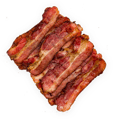

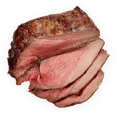



A practical guide to safe, juicy, and perfectly cooked meat every time

Cooking meat to the right internal temperature is essential for food safety and quality. Following safe internal cooking temperatures for meat helps destroy harmful bacteria while ensuring your food is cooked to your preference. But great results are not just about hitting a number. Technique, timing, and patience all matter.
Whether you are grilling steaks, roasting chicken, or reheating leftovers, understanding temperature is key to consistent, restaurant-quality results at home.
Safe cooking starts before the heat is on. Wash your hands with warm, soapy water before and after handling raw meat, and clean all utensils and surfaces to prevent cross-contamination. Using separate tools for raw and cooked foods helps reduce risk.
Keep food out of the “danger zone” between 40°F and 140°F (4°C and 60°C), where bacteria grow quickly, and always refrigerate and thaw food properly. Following proper food safety practices is critical to cooking meat safely.
The most reliable way to know your meat is properly cooked is to use a digital food thermometer. Visual cues like colour or texture are not enough to guarantee safety.
Insert the thermometer into the thickest part of the meat, avoiding bones or fat, to get an accurate reading. This is especially important when cooking larger cuts or multiple pieces, since food can cook unevenly. If you are serious about cooking meat well, a thermometer is not optional. It is the difference between guessing and knowing your internal meat temperature is correct.
One of the most overlooked parts of cooking meat is what happens after it comes off the heat. Meat continues to cook even after you remove it from the heat source such as the grill, pan, or oven. This is called carryover cooking, and the internal temperature can rise by several degrees as heat moves from the outer layers toward the centre.
For best results, remove your meat from heat when it is about 3 to 8°C (5 to 15°F) below your target temperature, then allow it to rest. Smaller cuts like steaks or chicken breasts will only rise by the lower end of that range, while larger cuts like roasts or whole poultry can increase by more. Accounting for this helps prevent overcooking and ensures your meat finishes exactly where you want it.
Resting is not just a suggestion; it is a critical step if you want juicy, flavourful meat. When meat cooks, its juices are pushed toward the centre. Resting allows those juices to redistribute throughout the cut instead of spilling out onto your cutting board.
Smaller or thinner items like seafood or ground meat patties require little to no resting time, but even a short pause can help.
If you skip resting, you are leaving flavour and texture on the table.
Many people prefer steaks and certain cuts of beef cooked below the recommended safe temperatures, especially for rare or medium-rare results. When in doubt, cook any meat until 165°F (74°C) to know that the dangerous bacteria are no longer a threat. As you will notice below, cooking a steak until 165°F (74°C) will yield a very dry, overcooked steak experience so what’s the right answer?
While whole cuts carry a lower risk since bacteria are typically on the surface, cooking below recommended temperatures does not guarantee safety. Ground meats should always be fully cooked, as bacteria can be present throughout.
Choosing lower doneness is a personal preference, but it comes with increased food safety risk that proper handling and sourcing can reduce, not eliminate.
Cooking to the correct internal temperature ensures harmful bacteria are destroyed while preserving quality and flavour. Below are the recommended internal temperatures for different types of meat and seafood. Remember to remove these meats below the target temperature to allow for carryover cooking so that you will have it perfectly cooked to your liking.
Beef, veal, and lamb are some of the most versatile proteins to cook, offering a wide range of textures and flavours depending on the cut and cooking method. From tender steaks to slow-cooked roasts, these meats can be enjoyed at different levels of doneness.
Whole cuts like steaks and roasts can safely be cooked to lower internal temperatures because bacteria typically live on the surface and are killed during cooking. However, once the meat is ground or mechanically tenderized, that changes. Bacteria can be distributed throughout the meat, which is why higher internal temperatures are required.
Understanding proper beef cooking temperatures allows you to enjoy a perfectly cooked steak while still handling ground beef safely.
Pork is often overcooked out of caution, but when handled properly, it can be just as juicy and flavourful as other meats. Thanks to modern food safety standards, whole cuts of pork can be safely cooked to lower temperatures than many people expect, while still remaining tender and moist.
Like beef, the key distinction is between whole cuts and ground products. Whole cuts such as chops, tenderloin, and roasts can be cooked to a lower internal temperature, while ground pork must be cooked more thoroughly to ensure safety. Using a thermometer is especially helpful with pork, as it is easy to overcook and dry out if you rely on guesswork alone.
Poultry requires more careful handling than most other meats due to the higher risk of harmful bacteria such as Salmonella. Unlike beef or lamb, poultry should always be cooked to a fully safe internal temperature, regardless of preference.
Because poultry comes in many forms (whole birds, individual cuts, ground products, etc.), it is important to adjust your approach depending on what you are cooking. Whole birds take longer and benefit greatly from resting, while smaller cuts cook faster but still need to reach the proper temperature throughout.
Juiciness in poultry comes from not overcooking it, which is where a thermometer becomes essential. Hitting the right temperature without going too far makes all the difference.
Seafood is known for its delicate texture and quick cooking time, but that also means it can easily go from perfectly cooked to overdone in a matter of minutes. Fish should be opaque and flake easily with a fork when done, but relying on texture alone is not always precise. Using a thermometer ensures accuracy, especially when cooking thicker fillets or whole fish.
Shellfish such as shrimp, lobster, and mussels also require attention. They cook quickly and are best enjoyed when just done, not overcooked. Discard any clam-like shellfish that do not open during cooking, as this is a sign they may not be safe to eat.
Leftovers are often overlooked when it comes to food safety, but they require just as much care as freshly prepared meals. Proper storage, timely refrigeration, and thorough reheating are all essential. Bacteria can grow quickly if leftovers are left out too long or not reheated properly. When reheating, the goal is to bring the entire dish back up to a safe internal temperature, not just make it warm.
Always refrigerate leftovers promptly and discard anything left at room temperature for more than two hours. When in doubt, throw it out. It is not worth the risk.
Cooking meat properly is about more than just taste; it is about safety, consistency, and getting the most out of every cut. For the best experience possible, use a thermometer, respect proper preparation practices, account for carryover cooking, and give your meat time to rest. Starting with high-quality meat also makes a difference, which is why more Canadians choose to buy meat online in Canada from trusted local sources like trulocal. These small habits add up to better meals and more confidence in the kitchen. Once you start cooking with both temperature and safety in mind, you will notice the difference immediately in both flavour and results.
Article by: Steven Tippin
Posted on April 17th, 2026